






Skip to content

Simulators/Full

Full

Perfect your technique, improve your diagnostic precision, and reinforce your clinical confidence

349.00 USD

100% finance available with
  • Level

    Advanced

  • Language

    Spanish/English

  • Subscription

    Valid for 12 months

Clinical context

Ultrasound allows you to assess anatomical structures in real time and provide information for clinical examination. Its use requires anatomical knowledge, the obtaining of quality images, and the relating of the findings to the patient's situation.

Training areas

Abdomen Neck and thyroid Breasts Soft tissue and abdominal wall Male genitalia Doppler Musculoskeletal system Lumbopelvic region and pelvic floor

Clinical approach

Abdomen: examination of blood vessels, liver, bile ducts, pancreas, spleen, kidneys, and bladder. Neck and thyroid: recognition of the suprahyoid and infrahyoid regions, the thyroid gland, and the cervical lymph nodes. Breasts: normal anatomy, examination technique, pathologies, and correlation with BI-RADS. Soft tissues: assessment of the skin, subcutaneous tissue, and abdominal wall. Male genitalia: ultrasound examination of the scrotum and penis. Doppler: hemodynamic fundamentals, waveform analysis, and technical adjustment. Musculoskeletal: anatomical recognition and examination of the shoulders, elbows, hands, hips, knees, and ankles. Lumbopelvic: ultrasound assessment of the abdominal and lumbar muscles, pelvic floor, and diaphragm.

What does it include?

  • ✓Nine modules with regional ultrasound applications.
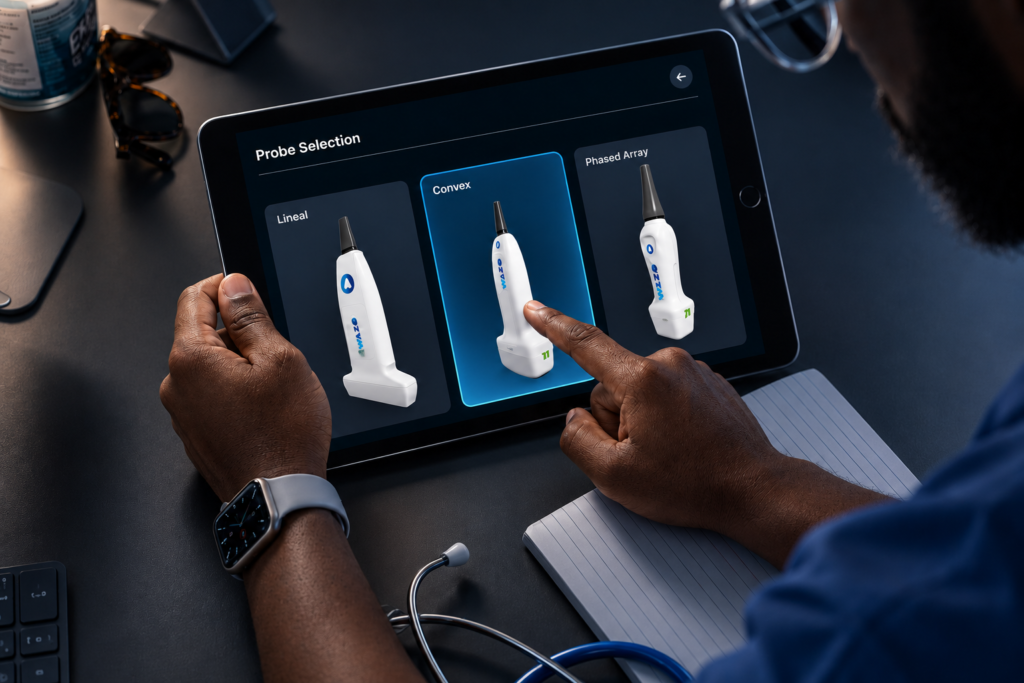
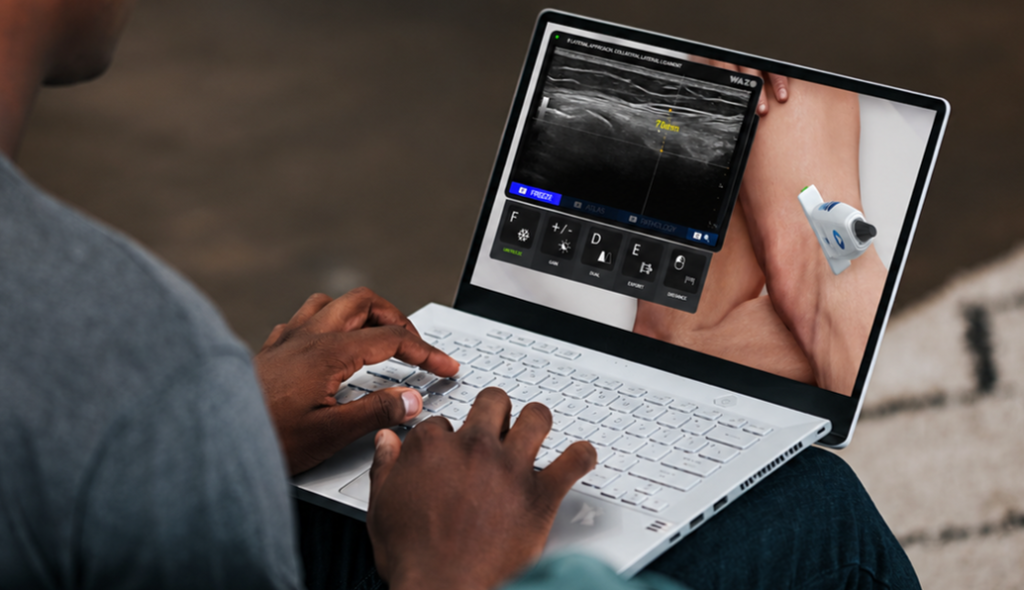
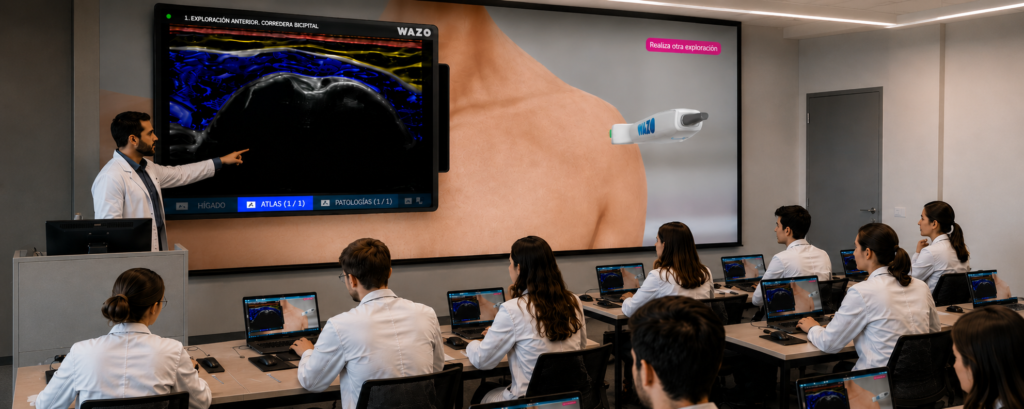
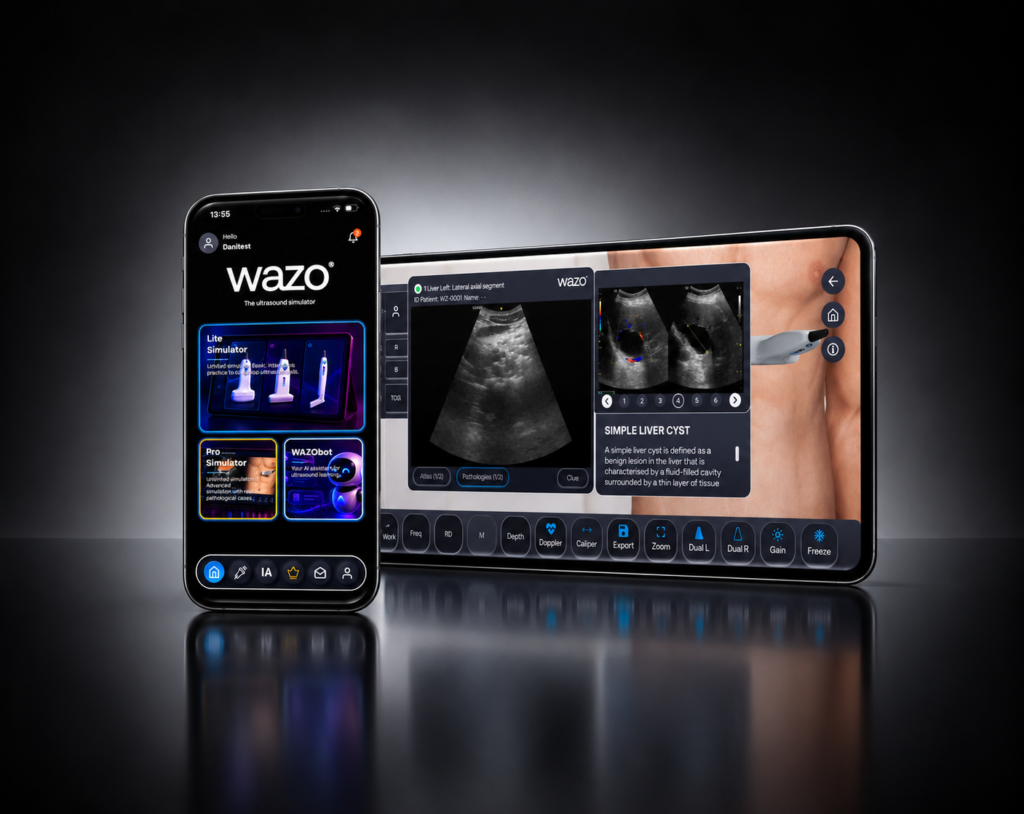
  • ✓Online clinical simulators available 24 hours a day during the training period.
  • ✓Ultrasound atlases, images, downloadable materials, and examination protocols.
  • ✓Virtual clinical case studies to relate anatomy, image, and clinical context.
  • ✓Theoretical exams and practical tests on the identification of structures in a gamified environment.
  • ✓Access to the content for a year and academic and technical support.

What will you learn?

  • ✓To apply examination protocols for abdominal, cervical, thyroid, breast, and soft tissue examination.
  • ✓To recognize the structures of the male genitalia and their main ultrasound findings.
  • ✓To examine the musculoskeletal regions of the upper and lower extremities.
  • ✓To assess the abdominal, lumbar, pelvic floor, and diaphragm muscles through ultrasound within the RUSI approach.

How will you learn?

  1. 1Learn: The physical principles and fundamentals of ultrasound
  2. 2Practice: Step-by-step guided training
  3. 3Compare: Normal and pathological anatomy
  4. 4Explore: Simulated clinical case studies
  5. 5Repeat: Unlimited training to reinforce skills
  6. 6Assess: Gamified theoretical and practical examinations

Full
Simulator

Request a demo and we'll design a tailored plan for your service or university.